Microneedling vs. Chemical Peels: Which Is Better for Acne Scars and Aging? Quick Answer: Microneedling is often best for deeper acne scars, fine lines, early skin laxity, and overall collagen stimulation. Chemical peels are typically ideal for hyperpigmentation, active acne, sun damage, rough texture, and boosting brightness through controlled exfoliation and faster cell turnover.If you’re …

Microneedling vs. Chemical Peels: Which Is Better for Acne Scars and Aging?
Below is a detailed, practical guide to help you decide which treatment may fit your goals, your downtime tolerance, and your skin’s current condition.
What Happens to Your Skin During Microneedling?
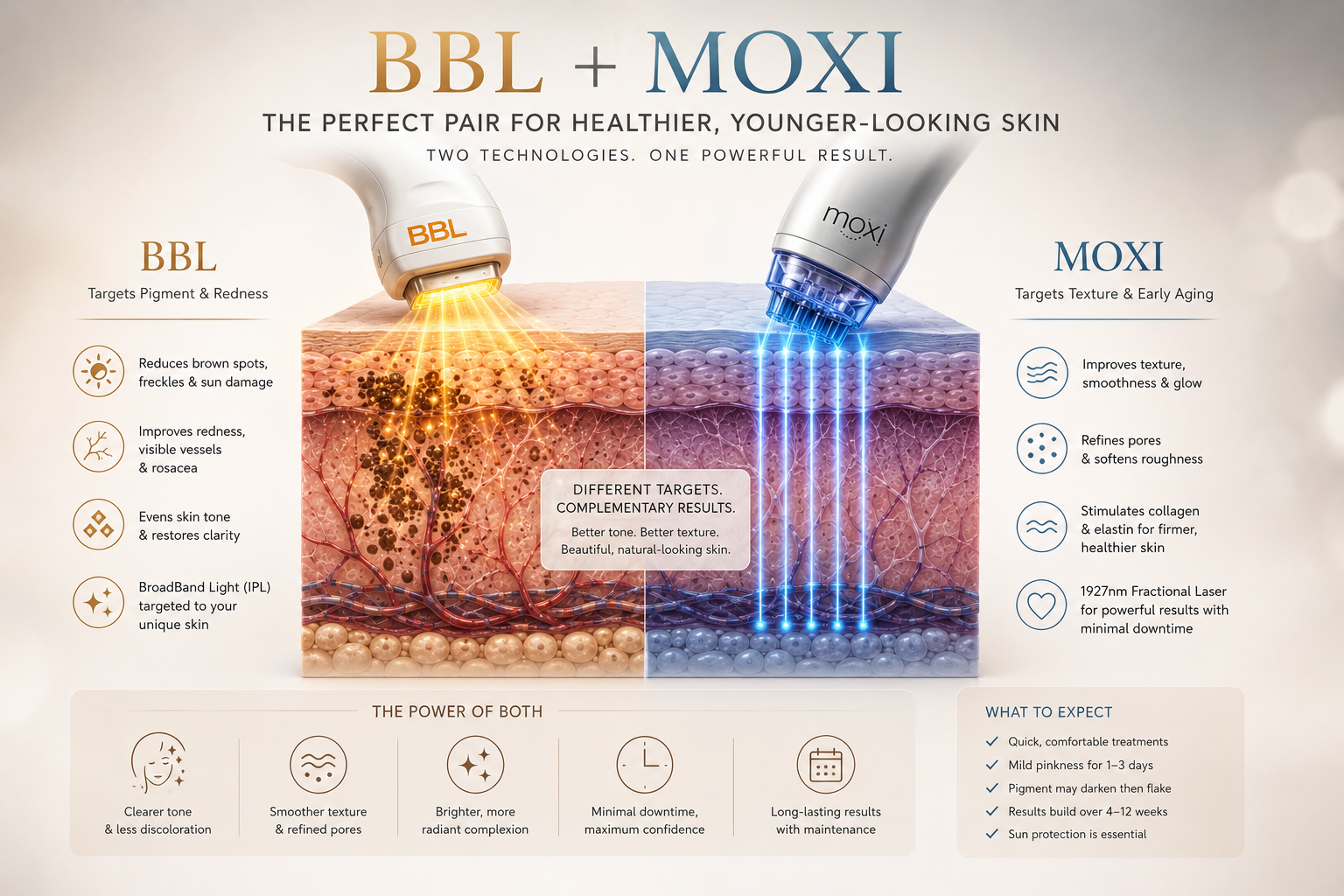
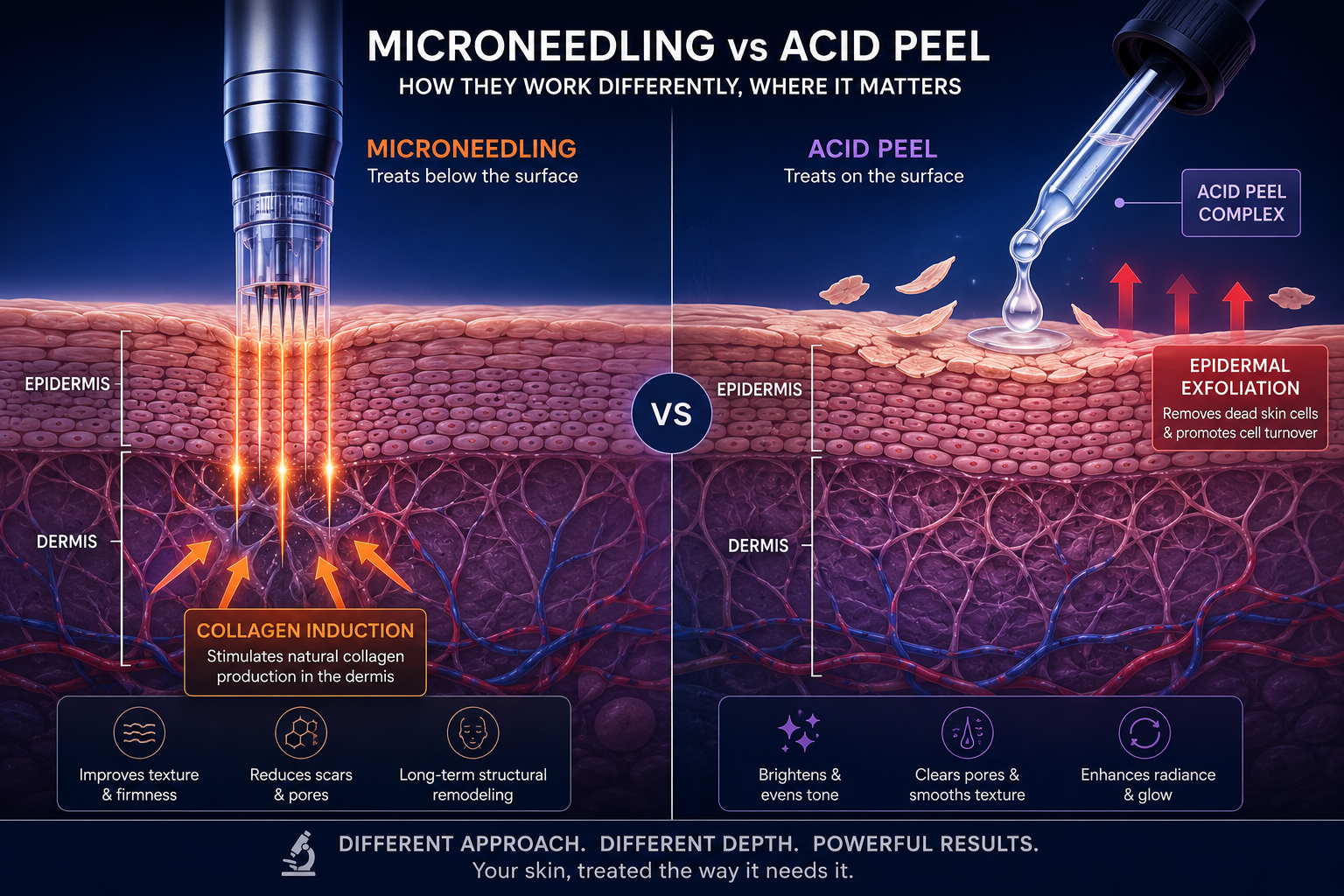
Microneedling (also called collagen induction therapy) uses a medical-grade device with ultra-fine sterile needles to create tiny, controlled microchannels in the skin. These micro-injuries are intentional and precise-just enough to trigger your body’s natural healing response without causing uncontrolled damage.
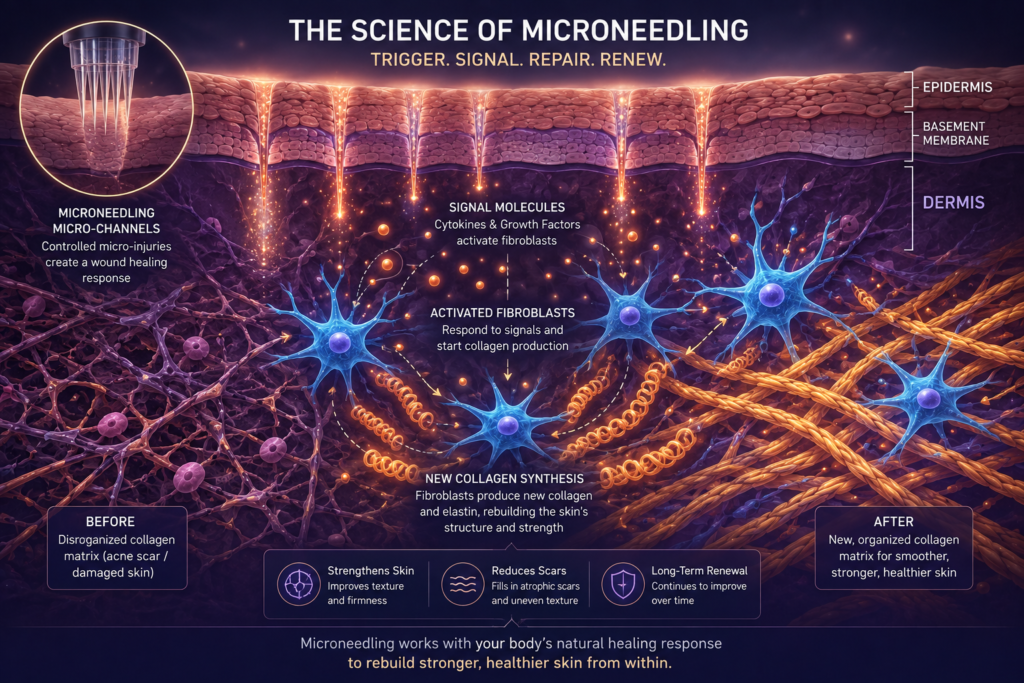
As the skin repairs itself, it increases production of:
- Collagen (for firmness and smoother texture)
- Elastin (for resilience and bounce)
- New capillary growth in some cases (supporting healthier-looking skin)
Over a series of sessions, the new collagen helps remodel uneven or damaged tissue. This is why microneedling is especially effective for concerns related to the skin’s structure, including:
- Atrophic acne scars (rolling and boxcar scars respond particularly well)
- Enlarged pores and “orange peel” texture
- Fine lines, especially around the eyes and mouth
- Early loss of firmness (mild laxity)
- Rough texture that doesn’t respond to exfoliation alone
What results can you expect?
Microneedling results tend to be gradual. Some people notice a refreshed glow within a week or two, but the most meaningful improvement in scars and lines usually appears after multiple sessions, as collagen builds over time.
Typical downtime
Most people experience:
- Redness for 24-48 hours (similar to a mild sunburn)
- Mild swelling or sensitivity
- Temporary dryness or flaking
Because the treatment can be customized (needle depth, speed, number of passes), an experienced provider can adjust intensity based on skin thickness, scar type, and sensitivity.
How Do Custom Chemical Peels Actually Work?
Chemical peels improve the skin primarily from the surface down by applying carefully chosen acids-commonly glycolic acid, lactic acid, salicylic acid, or combination formulas. These ingredients break down the bonds holding dead skin cells together, helping them shed more efficiently so fresher cells can rise to the surface.
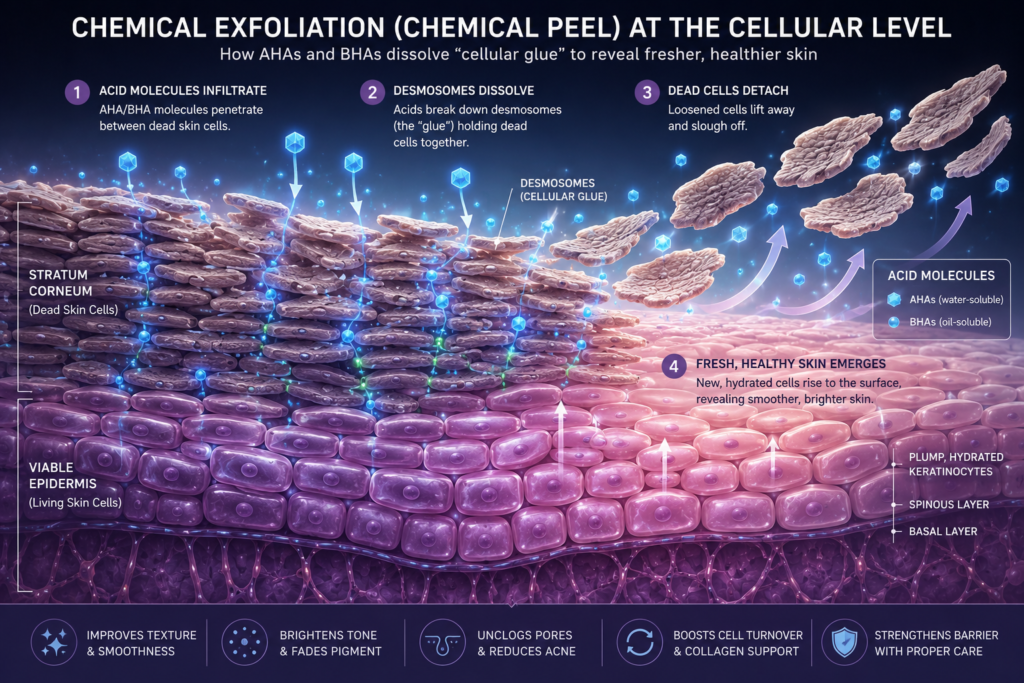
Chemical peels are especially effective for issues that sit in the top layers of skin, including:
- Hyperpigmentation and dark spots
- Post-acne marks (post-inflammatory hyperpigmentation)
- Sun damage and uneven tone
- Dullness and rough surface texture
- Active acne and congestion (especially salicylic-based peels)
By accelerating cell turnover, peels can quickly improve overall clarity and brightness. In the right candidate and the right formulation, peels can also support collagen in the deeper layers-especially with medium-depth options-though their “superpower” remains tone, clarity, and texture refinement.
What results can you expect?
Peels can give a fast glow. Many people notice brighter, smoother skin within days. For pigment and acne concerns, a series of peels often brings more consistent, longer-lasting improvement.
Typical downtime
Downtime varies by peel depth:
- Light peels: mild dryness or flaking for 1–3 days
- Medium peels: visible peeling for 3–7 days (sometimes longer)
Because peels must be customized carefully (especially for sensitive or deeper skin tones), professional assessment matters.
Comparison Table: Microneedling vs. Chemical Peels
| Feature | Microneedling | Chemical Peels |
|---|---|---|
| Primary Mechanism | Physical collagen induction through controlled micro-injuries. | Chemical exfoliation and accelerated cellular turnover. |
| Best For | Deep acne scars, fine lines, enlarged pores, mild laxity. | Hyperpigmentation, active acne, sun spots, dullness, roughness. |
| Downtime | 24–48 hours redness; mild sensitivity. | 1–7 days peeling/flaking depending on peel depth. |
| Discomfort | Usually minimal with topical numbing. | Tingling/warming; intensity depends on peel type. |
| Skin Tones | Generally safe for all skin tones when properly performed. | Safe when customized; some peel types require extra caution for deeper tones. |
Which Treatment Should You Choose?
Choose Microneedling If…
Microneedling is often the better choice when your main goal is improving texture and skin structure. It’s commonly recommended if you have:
- Noticeable acne scars that look “indented”
- Fine lines that are becoming more visible
- Texture and enlarged pores that don’t respond to skincare
- Early skin laxity and a desire for firmer-looking skin
- A preference for minimal peeling (but you can tolerate brief redness)
Best mindset for microneedling: Think of it as a collagen-building plan. The changes can be more dramatic over time, especially for scarring, but it’s not usually a one-session fix.
Choose a Chemical Peel If…
Chemical peels are a great option when your concerns are mostly tone and surface clarity. They’re often preferred when you have:
- Dark spots, uneven pigment, or post-acne marks
- Sun damage or freckles that have become more noticeable
- Dullness and roughness that needs a “reset”
- Oily skin and active breakouts (especially congested pores)
- A goal of brighter, smoother skin with quicker visible payoff
Best mindset for chemical peels: Think of them as a controlled resurfacing and brightening strategy. They can be powerful, but the formula has to match your skin type and goals.
Can You Combine Microneedling and Chemical Peels?
Yes- many people see the best overall improvement when treatments are strategically combined in a safe schedule. Since microneedling targets deeper structure and peels target surface issues, they can complement each other for people who have both scarring and pigmentation.
A provider may recommend:
- Alternating sessions (for example, microneedling one month and a peel the next)
- Using lighter peels in between microneedling sessions (only when appropriate)
- Pairing microneedling with brightening ingredients in a home regimen to maintain results
The key is timing and customization. Doing strong peels too close to microneedling can irritate the skin barrier, so spacing matters.
Safety, Aftercare, and What to Avoid
Regardless of which treatment you choose, the best results come from good aftercare and protecting your skin while it heals.
Aftercare essentials (both treatments)
- Sun protection is non-negotiable. Use broad-spectrum SPF daily and avoid direct sun exposure.
- Skip harsh actives temporarily. Avoid retinoids, strong acids, and aggressive exfoliation for the time window your provider recommends.
- Hydrate and support the barrier. Gentle cleansers, moisturizers, and soothing serums help recovery.
Common “avoid” list
- Picking at peeling skin (after peels)
- Hot yoga/sauna for the first 24-48 hours (especially after microneedling)
- Using new skincare products right away (keep it simple while healing)
If you’re prone to cold sores, tell your provider preventive antiviral guidance may be recommended for certain areas.
Start Your Skin Journey at Magic FemTouch in Oak Lawn
At Magic FemTouch Med Spa, every treatment starts with a comprehensive skin assessment to identify what’s driving your concerns and what approach will be most effective. Whether your priority is acne scarring, pigmentation, fine lines, or overall glow, our Oak Lawn team builds a plan based on your skin type, goals, and lifestyle.
We also document progress with before-and-after evaluations so you can track real improvement over time not just “guess” if it’s working.
Ready to reveal healthier, more confident skin?
First-time clients receive 10% off their initial skin treatment.
Book an Appointment
It’s easy and free!